

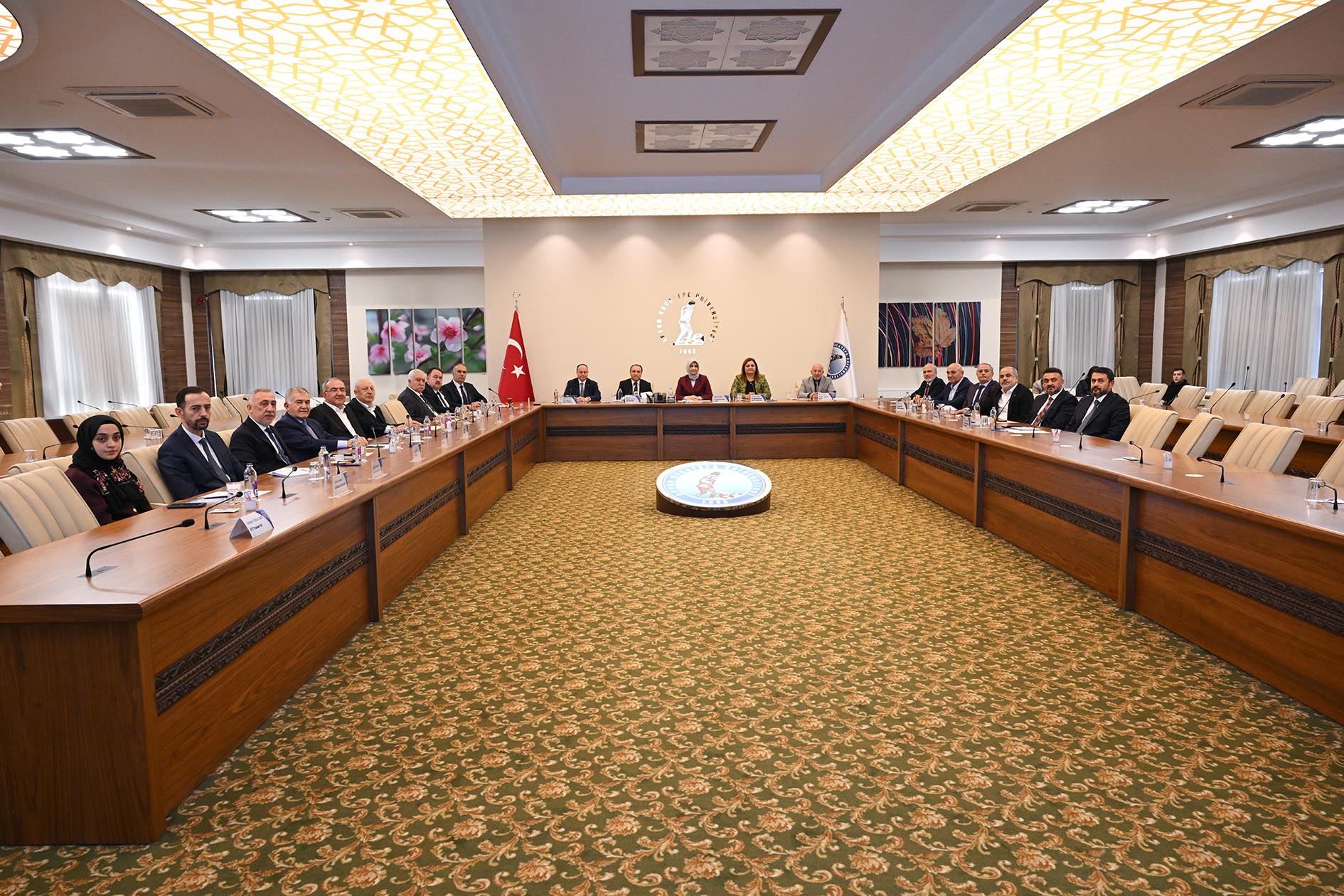
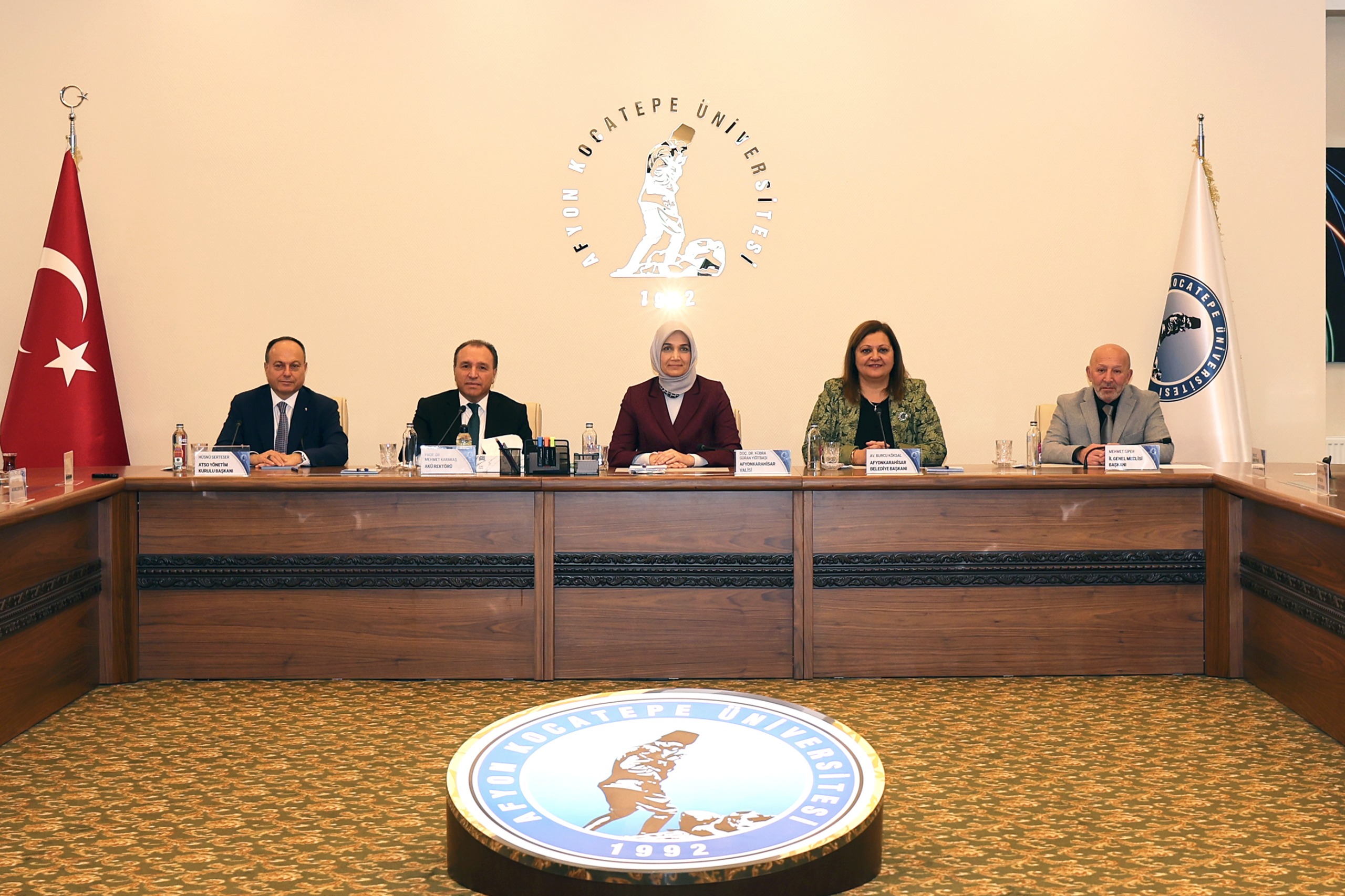
The Advisory Boards were established based on the relevant articles of Law No. 2547 and the YÖK Advisory Boards Directive, within the directive adopted at our University Senate meeting dated 31.07.2017. The purpose of the Advisory Board is to ensure cooperation between our university, its units, public and private sector institutions, and other stakeholders, and to maintain the sustainability of such cooperation. The number of external stakeholders cannot be fewer than the number of internal stakeholders. The term of office for members is three years, and members whose terms end may be reappointed. Our University Advisory Board makes recommendations, and these recommendations can be submitted to our University Senate and Executive Board for approval.”
AKU Continues Its Path in Line with Its Updated Strategic Plan
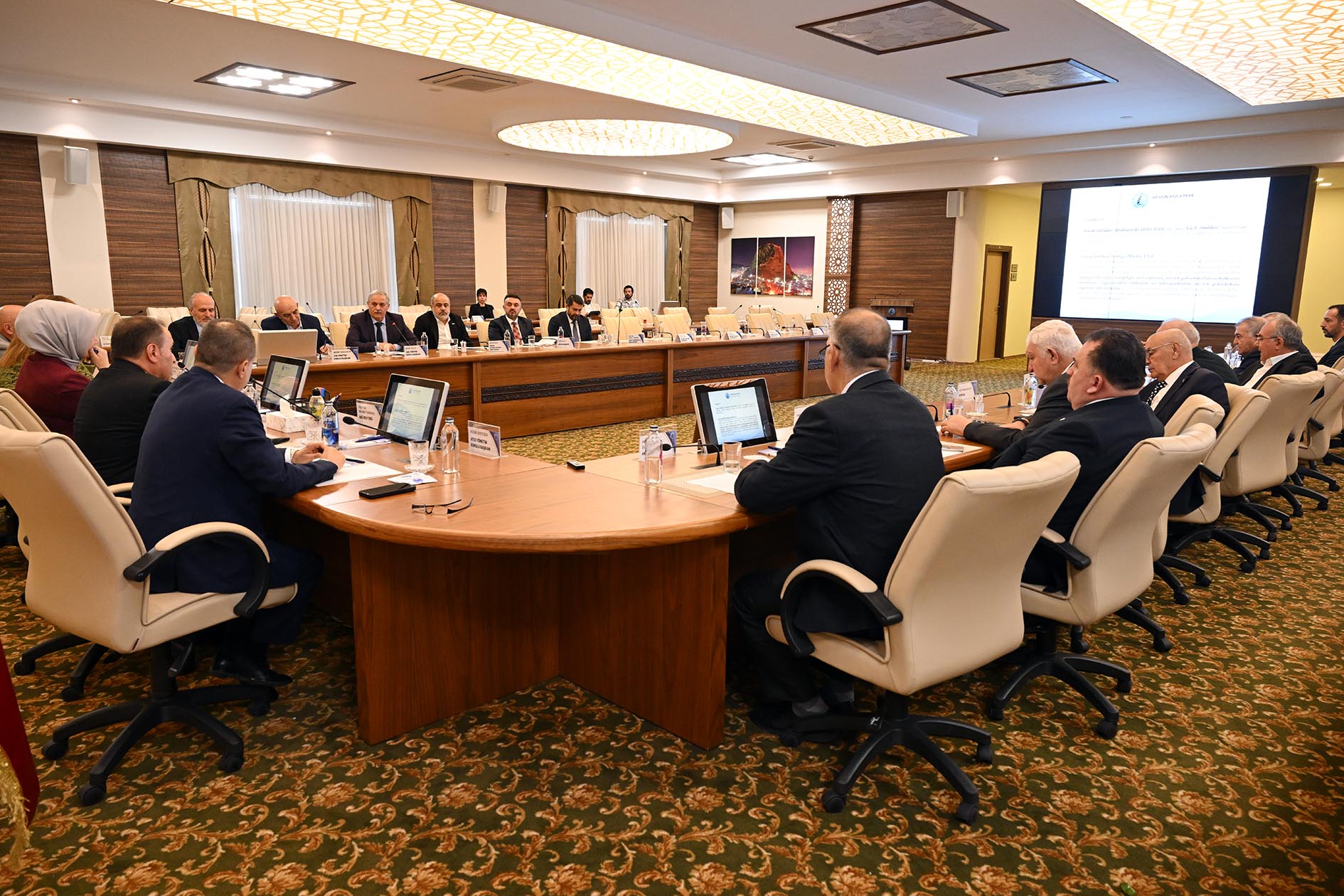
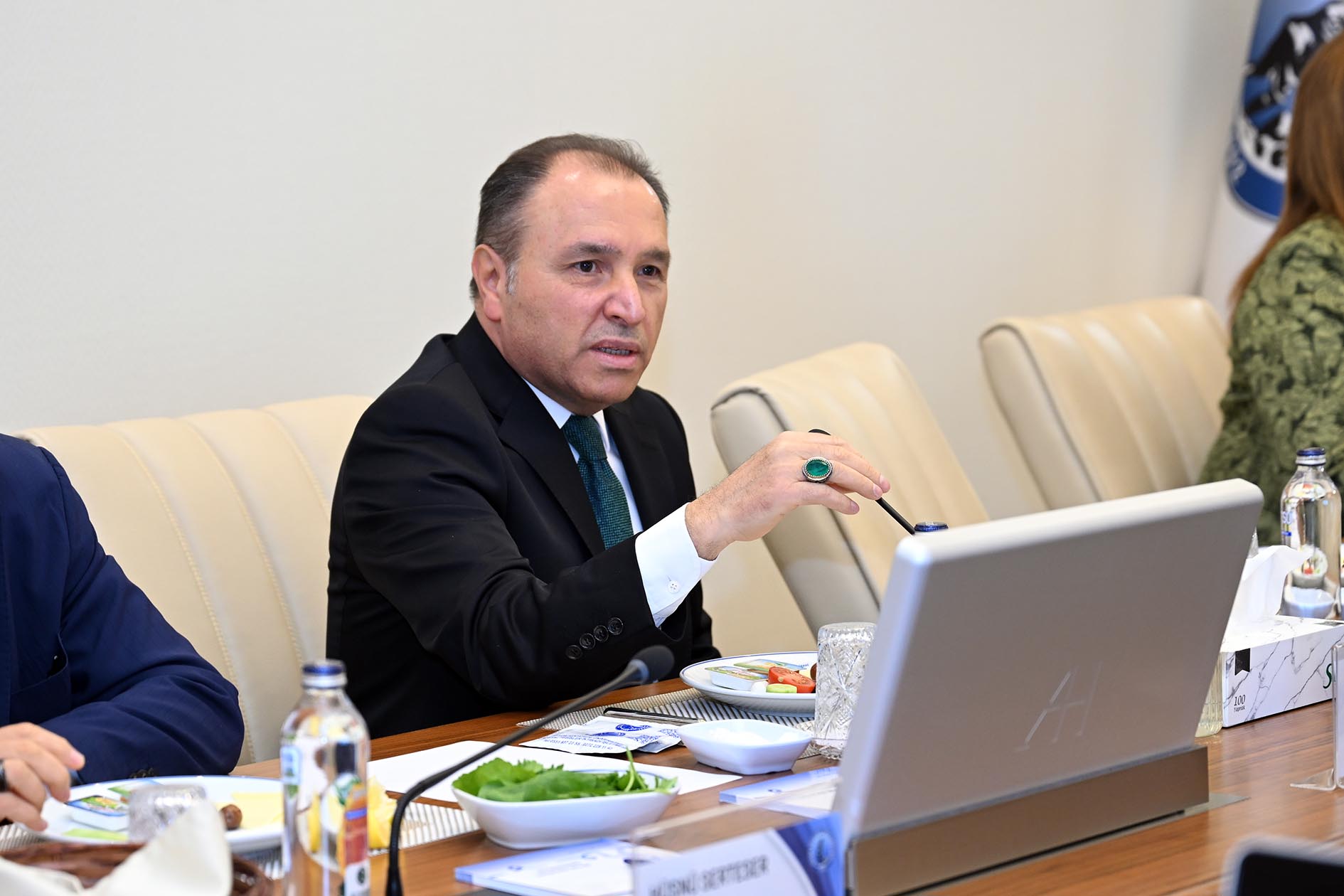
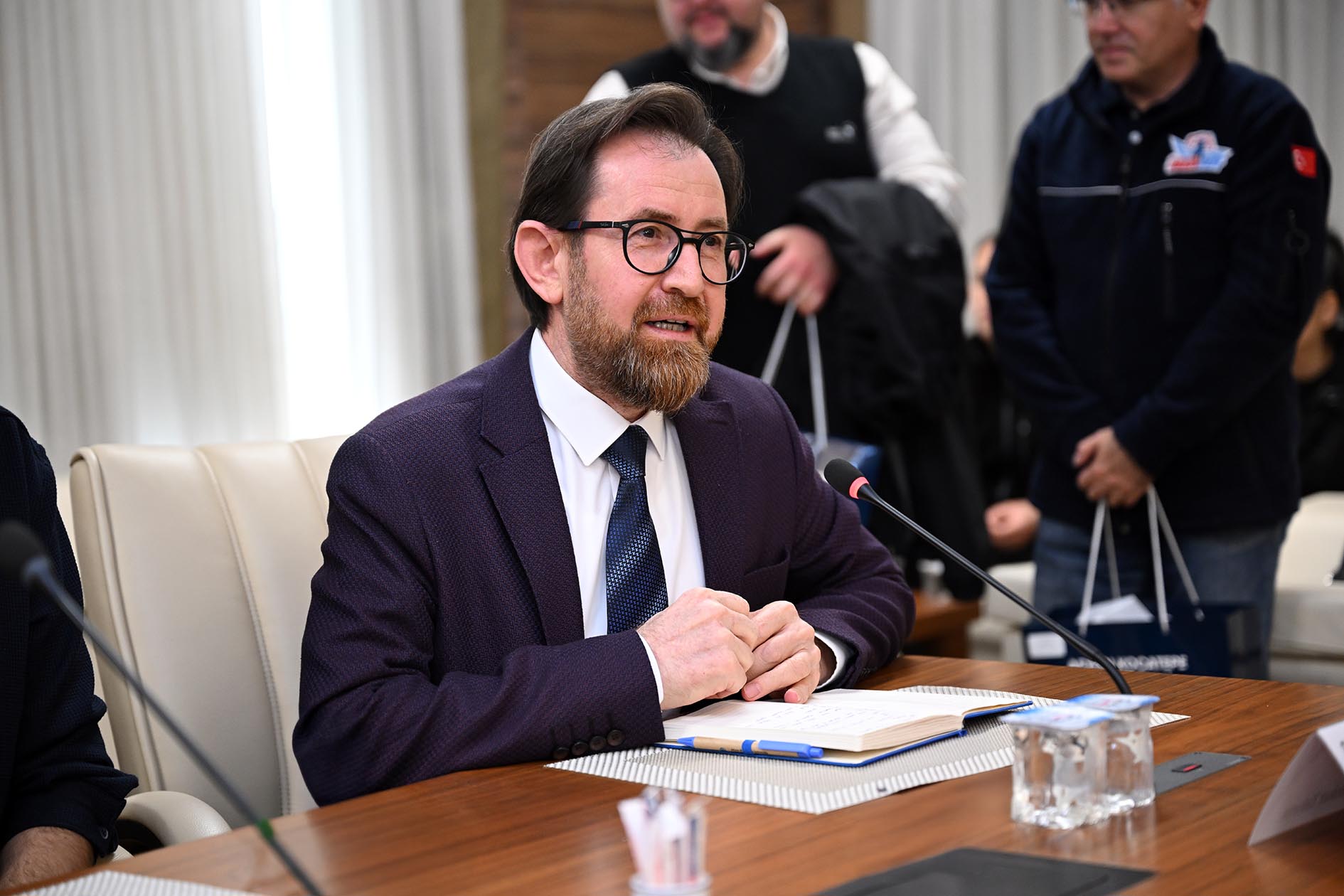
Providing general information about Afyon Kocatepe University, Karakaş said:
“AKU is a higher education institution whose roots go back to 1974 and which became a university with the law enacted in 1992. In 2006, Uşak University, and in 2018, Afyonkarahisar University of Health Sciences, separated from our institution and became independent universities. Currently, our university comprises 3 institutes, 13 faculties, 4 schools, 14 vocational schools, 29 Application and Research Centers, 25 laboratories, and various boards, commissions, and coordinatorships. Our university hosts 31,823 students in total, including 1,869 international students from 66 different countries, as well as 1,118 academic and 964 administrative staff.”
Stating that AKU updated its strategic plans following its division in 2018, Rector Karakaş continued:
“We identified veterinary-animal husbandry, engineering, and tourism as priority areas. These three fields correspond to the potential of Afyonkarahisar. We have prioritized investments in these areas and continue to do so. We apply affirmative action both in terms of investments and staff recruitment.”
“We Are Making Progress Toward Our Priority Objectives”
Karakaş noted that AKU identified priority objectives in the fundamental mission areas of education–training, research–development, societal contribution, and internationalization, and stated:
“We shaped policies in line with these objectives and are implementing them. We have made significant progress in almost every priority area. For example, when I took office, only our Natural Stone Analysis Laboratory was accredited. Currently, nearly all our academic units are in the accreditation process. Some programs have already received accreditation, and we are working toward international accreditation as well. We have also made substantial progress in other areas. This year, we achieved a 100% occupancy rate in associate degree programs and 99.5% in undergraduate programs.”
AKU Receives 5-Year Full Accreditation from YÖKAK
Karakaş stated that AKU was granted 5-year full institutional accreditation by the Higher Education Quality Council (YÖKAK) on 22 April 2024 as part of the Institutional Accreditation Program (KAP):
“When we received this accreditation, we ranked 32nd among 208 universities in Türkiye; now the number has exceeded 50. Accelerating the accreditation processes of our units significantly contributed to full accreditation. Currently, 6 academic units have been accredited. Three programs have completed their accreditation periods, and renewal processes have begun. Evaluation processes for six programs have been completed, all receiving positive reports. By the end of December, we expect 15 programs to be accredited.”
“Academic Staff Needs Have Largely Been Met”
Emphasizing the importance of updating curricula, Karakaş stated:
“We live in an era of rapid change, including in scientific fields. For this reason, we want our faculty members to reflect innovations in their curricula. We designated the June Senate meeting each year as the ‘curriculum update senate.’ We want up-to-date knowledge to be transferred to students. We had also planned to increase the number and quality of our graduate programs, and we have made significant progress.”
Karakaş further noted that academic personnel needs had been met in 95% of the departments and programs:
“In terms of standard staffing, we are now fully staffed. We still have some needs in our newly opened programs, but we are addressing these rapidly. Our number of academic staff has reached 1,118.”
“Programs Aligned with YÖK’s 2030 Vision Have Been Opened”
Karakaş also provided information about the transformed and newly opened programs in line with the Higher Education Council’s (YÖK) 2030 Vision:
“These include the Department of Pedagogical Formation in Moral Values Education, the Artificial Intelligence and Data Engineering Program, the Occupational Health and Safety Program guided by an experienced academic consultant, the E-Commerce and Marketing Program, Disaster Management, and Civil Defense and Firefighting programs, as well as Technopark and Technical Operations Programs. We have transformed twelve of our existing programs into supply- and demand-oriented models. From now on, no programs without graduates will be opened. Our investments and staff allocation are shaped in this direction.”
“We Aim to Raise High-Quality Graduates”
Rector Karakaş emphasized that one of their priority goals is to increase the quality of graduates while strengthening cooperation with industry:
“We aim to increase our collaborations within the scope of the 3+1 and 7+1 education models we implemented in vocational schools and faculties. This year, we strengthened our connections with the business sector and conducted important studies in all areas.”
AKU Completed 9 Projects in the Field of Regional Development
Karakaş stated that AKU continues to implement and lead many projects in the field of regional development:
“In the past year, 9 major projects conforming to our university’s development-oriented identity have been completed. Among these are the 1 Million Software Developers Project, Veri Park AI Lab, ABIGEM European Business Center, Agricultural Product Development, Farm Management, Local Agriculture Development Model, Digital Transformation Technical Assistance Project, and Mehmet Ali Mefulgon Project. Additionally, 14 more projects related to blockchain technologies, 5G communication systems, algae-based systems—including research and production areas—are ongoing. An important aspect is the concept of professorship. Prof. Dr. Mustafa Özer published 157 articles; 44 of them appeared in journals indexed in Q1 and Q2 categories. Ninety of these studies involved international research collaboration.”
TEKNOFEST Finalist Teams
Karakaş highlighted the TEKNOFEST finalist teams:
“This year, 13 teams from our university qualified for the finals or won awards. The İNİTRAL Team took first place in the 4th International University Drone Competition and also came in 18th out of 1,284 teams in the International Unmanned Aerial Vehicle Competition. The Kocatepe Rocket Team won first place in the RioTwistRI-Powder laboratory data competition. Our RoboDesigner Team reached the semifinals, Robocontent Team won the ‘Team Spirit’ award, and our TrainEDYOL broke the Turkish domestic railway record. These achievements reflect the significant progress made by our teams. Our focus now is on improving our infrastructure and increasing the number of teams participating in competitions.”
“There Has Been a Significant Increase in R&D Projects”
Stating that R&D projects have substantially increased in 2024–2025, Karakaş said:
“In 2024, 92 new projects were added to our Scientific Research Projects (BAP) portfolio. Of these, 29 were completed, and 67 projects are currently ongoing. This year, great attention was paid to strengthening the BAP infrastructure and enhancing the research ecosystem. We have 13 TÜBİTAK-supported projects. The number of international collaborations and Erasmus agreements also increased significantly. This year, we signed agreements with 47 institutions in 18 different countries.”
“International Student Applications Reached Record Levels”
Rector Karakaş emphasized that internationalization continues to be a priority area:
“Applications to our university reached record numbers in 2024–2025. Applications increased by 157%. We placed 532 international students. In total, we now have 1,869 international students. Our internationalization efforts continue through long-term cooperation agreements, student exchanges, staff mobility programs, and joint degree projects.”
“We are Among the 45 Universities Included in the YÖKES Project”
Karakaş discussed the Higher Education Leadership Education System (YÖKES) project initiated by YÖK:
“The YÖKES project aims to strengthen management processes and develop leadership skills at universities. We are one of the 45 selected universities in the first group. Thanks to this project, our administrative and strategic capacity will improve even further.”
“Patent and Publications Have Increased”
Karakaş stated that patent applications and approved patents increased in 2024–2025:
“We filed 15 new patent applications this year. Our number of approved patents increased to 9. There has also been a significant rise in publications indexed in international databases. We are now one of the universities with the highest number of publications per academic staff member in our region. There is also an increase in citations.”
Senior Administrative Appointments and Quality Assurance
Continuing his presentation, Karakaş spoke about quality assurance processes:
“We update all administrative operations. Annual internal evaluation reports, external stakeholder meetings, and quality processes continue regularly. The institutional accreditation process further strengthened our quality culture. With a sustainability-oriented perspective, we maintain our management processes in an effective, efficient, and transparent manner.”
GreenCampus, İKMYO Solar Energy Investment, AFŞAR Facility
Karakaş evaluated the university’s 2025–2026 investment and sustainability plans:
“University campuses are turning into green areas. Work on the Green Campus project continues. Within the scope of solar energy investments, we completed the İscehisar Vocational School solar power plant. The AFŞAR facilities continue to contribute to the regional economy. We are also working on increasing green transformation and energy efficiency in our units.”
Digital Transformation in Administrative Processes
Karakaş also emphasized that administrative processes have been increasingly digitalized:
“Student affairs, academic appointments, promotion processes, and internal correspondence are now handled largely within digital systems. The EBYS system has become more effective. Our goal is to establish an uninterrupted, transparent, and fully traceable workflow structure.”
University Rankings and Performance Indicators
Providing information on national and international university rankings, Karakaş stated:
“Our university achieved significant progress in the 2024 performance indicators. In the SCImago Institutional Rankings, we reached one of the highest positions in recent years. In the Entrepreneurial and Innovative University Index, we performed above the Türkiye average. In the quality-based performance indicators introduced by YÖK and YÖKAK, we ranked above the median. Our competitiveness continues to increase, especially in scientific publications, patents, entrepreneurship, and regional contribution indicators.”
Security Measures and Campus Improvements
Karakaş also noted that campus security measures have been strengthened:
“Our campuses have been equipped with modern and smart surveillance systems. Lighting, pedestrian pathways, and traffic arrangements have been reorganized. We have increased green areas, renovated our sports facilities, and completed extensive landscaping work. Our goal is to create an accessible, safe, and high-quality campus environment for all stakeholders.”
“We Continue Our Work with a Vision Focused on Sustainability and Quality”
Concluding his presentation, Karakaş said:
“With the principle of continuous improvement, we are working in line with a vision centered on sustainability, quality, and internationalization. All our units are involved in this transformation process. In the coming period, we will take additional steps in digitalization, green transformation, academic quality assurance, and strengthening university–industry cooperation.”
Statements from Stakeholders
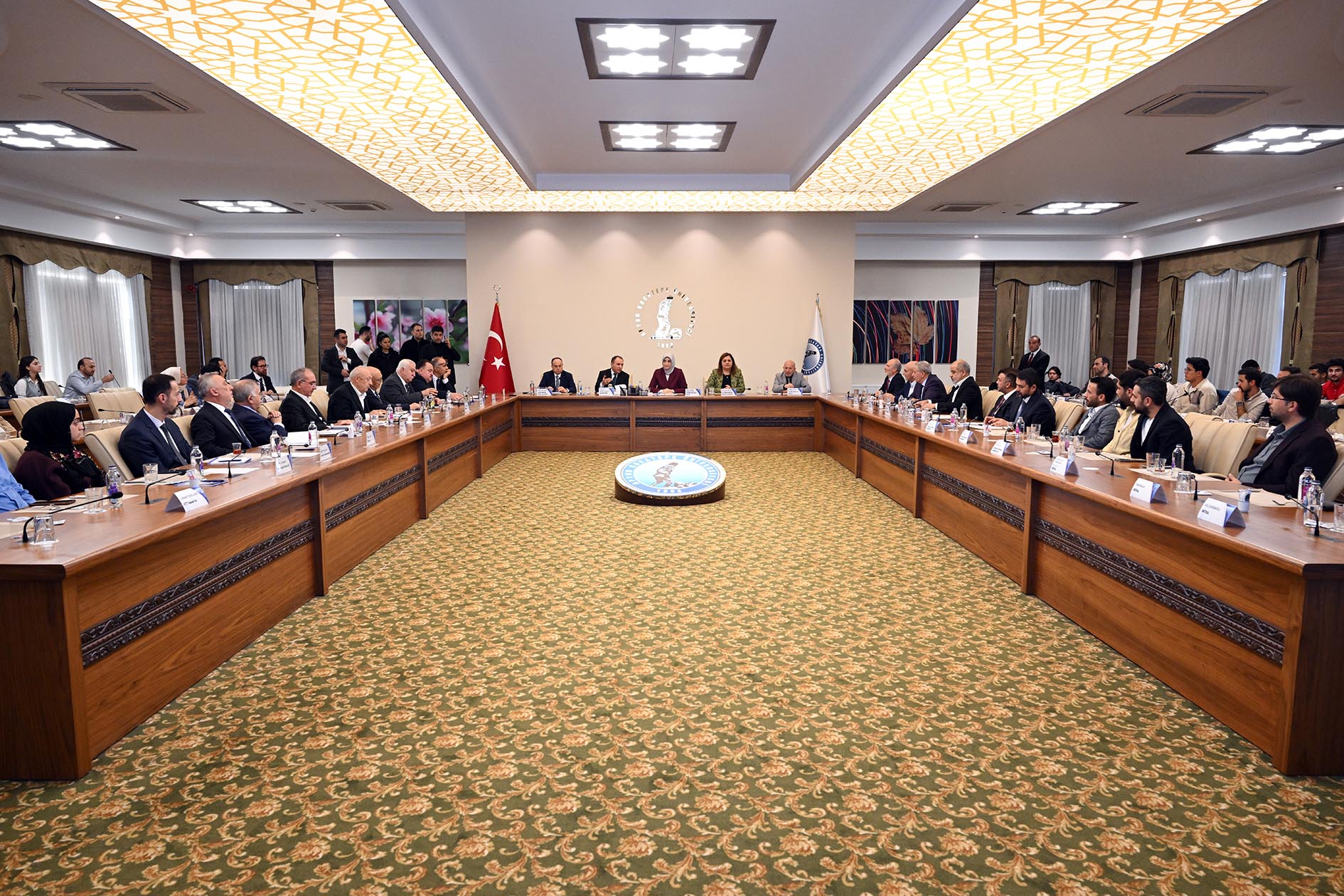
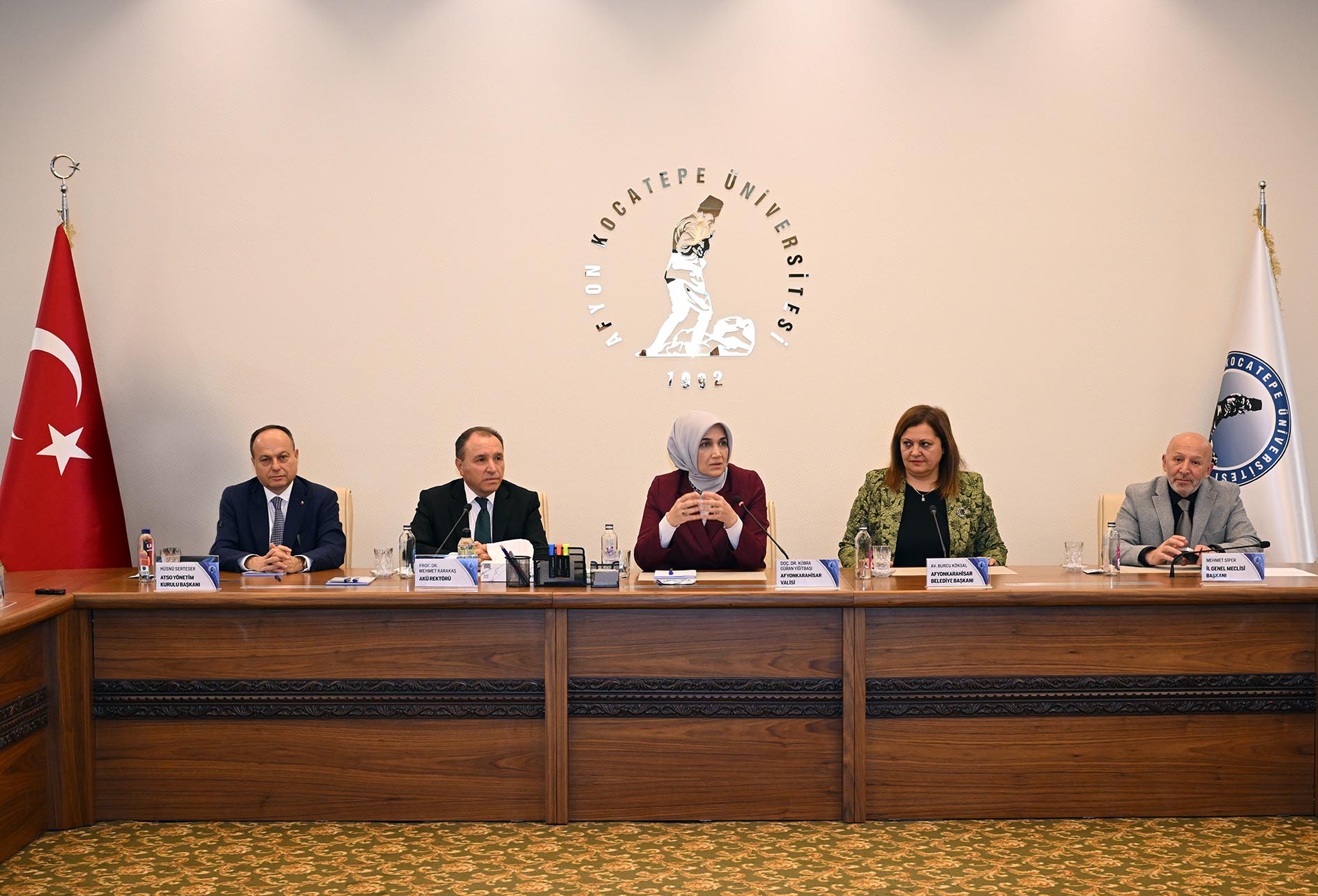
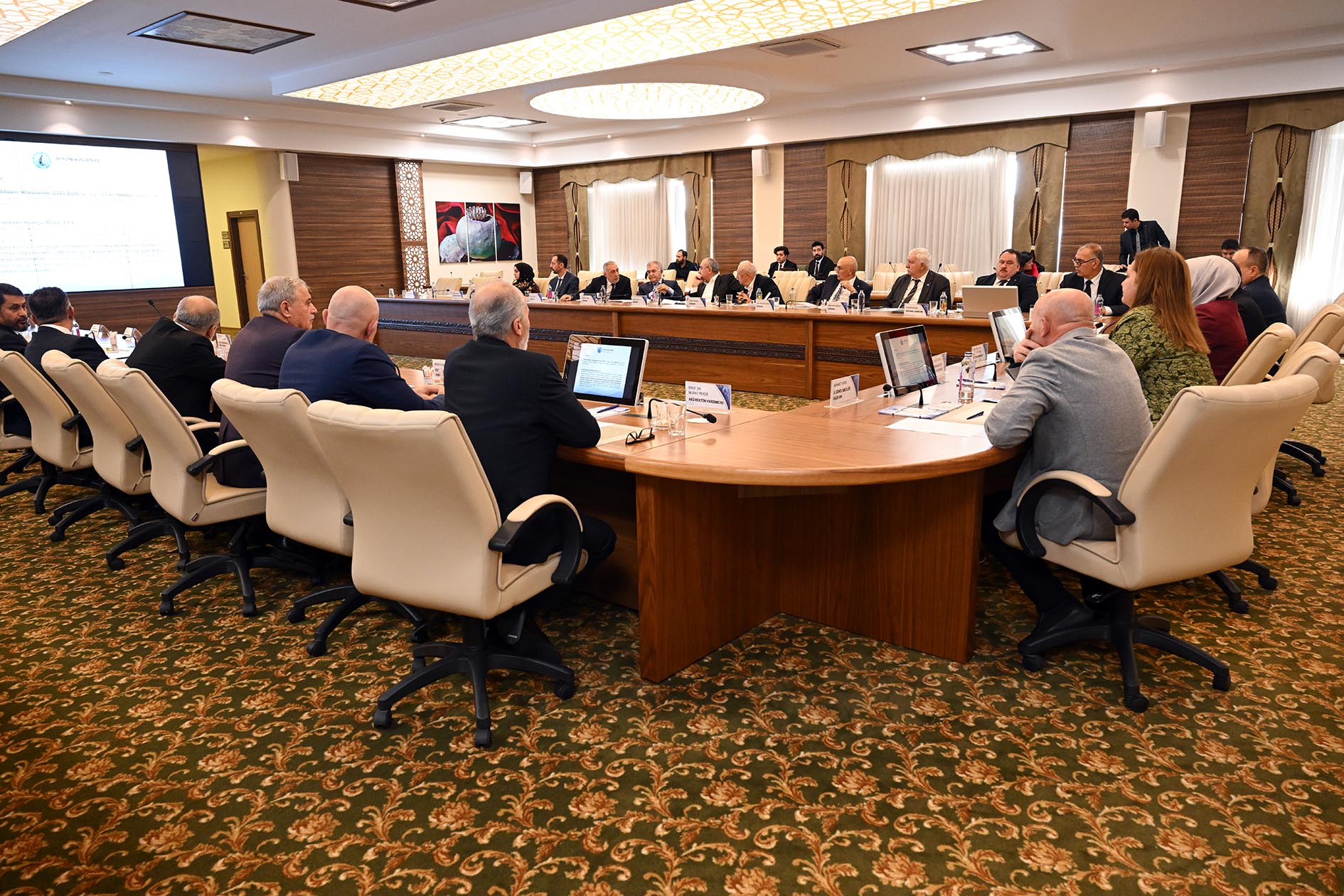
After Karakaş’s presentation, Advisory Board members shared their evaluations and suggestions regarding Afyon Kocatepe University.
Mayor Burcu Köksal: “AKU Should Lead City–University Cooperation”
Mayor Burcu Köksal stated that AKU has shown significant development in recent years:
“Afyon Kocatepe University has become one of the most important institutions in our city. I believe that cooperation between the municipality and the university will play a major role in city development. We are ready to support all projects related to social contribution, infrastructure, culture, and tourism.”
ATSO President Hüsnü Serteser: “University–Industry Cooperation Must Expand”
ATSO (Afyonkarahisar Chamber of Commerce and Industry) President Hüsnü Serteser added:
“As the business community, we attach great importance to the university’s contribution to the real sector. Collaborations within the scope of the 3+1 and 7+1 education models should be expanded. We also prioritize joint activities in R&D, innovation, and technology development.”
MÜSİAD President Ercan İşlek: “The University Has Become a Strong Stakeholder”
MÜSİAD Afyonkarahisar Branch President Ercan İşlek said:
“The university’s projects, internationalization efforts, and accreditation successes are extremely valuable. We are ready to strengthen collaborations, especially in vocational education, entrepreneurship, and social projects.”
OSB President Bekir Yeşilay: “The Workforce We Need Should Be Trained More Effectively”
President of the Organized Industrial Zone (OSB), Bekir Yeşilay stated:
“We expect qualified workforce support from the university. Vocational training practices should be further developed, and new programs can be opened in line with the needs of the industrial zone.”
Closing of the Meeting
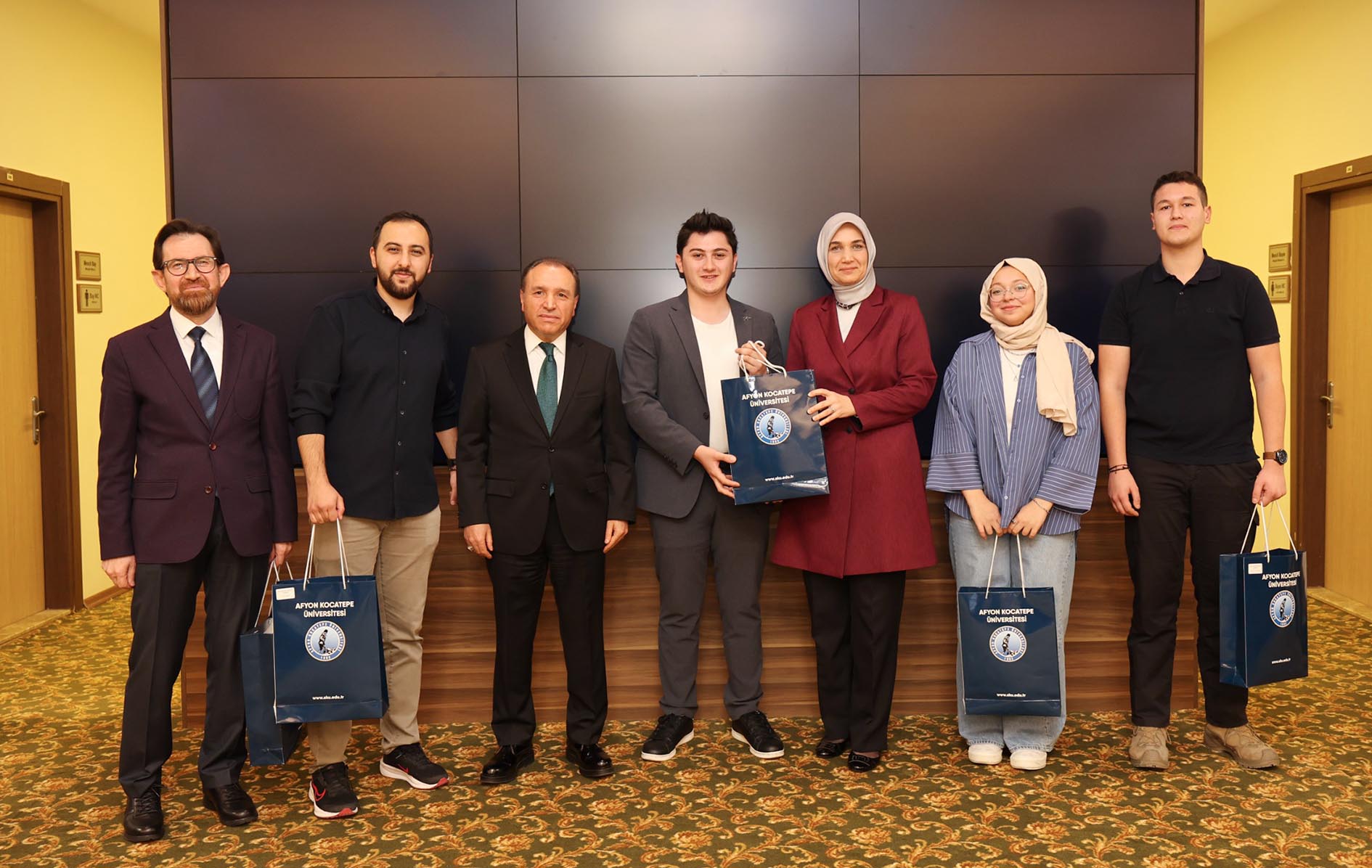
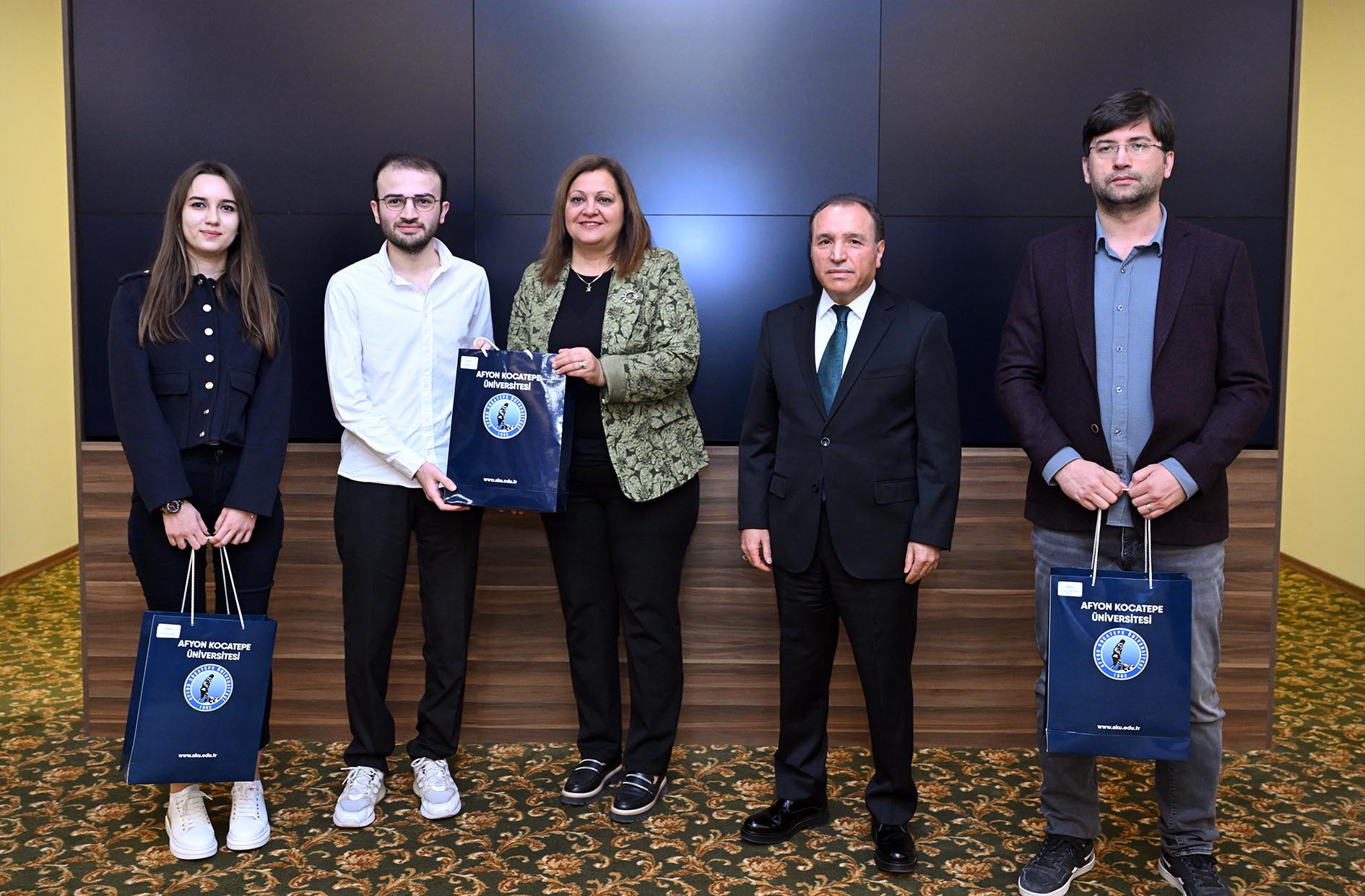
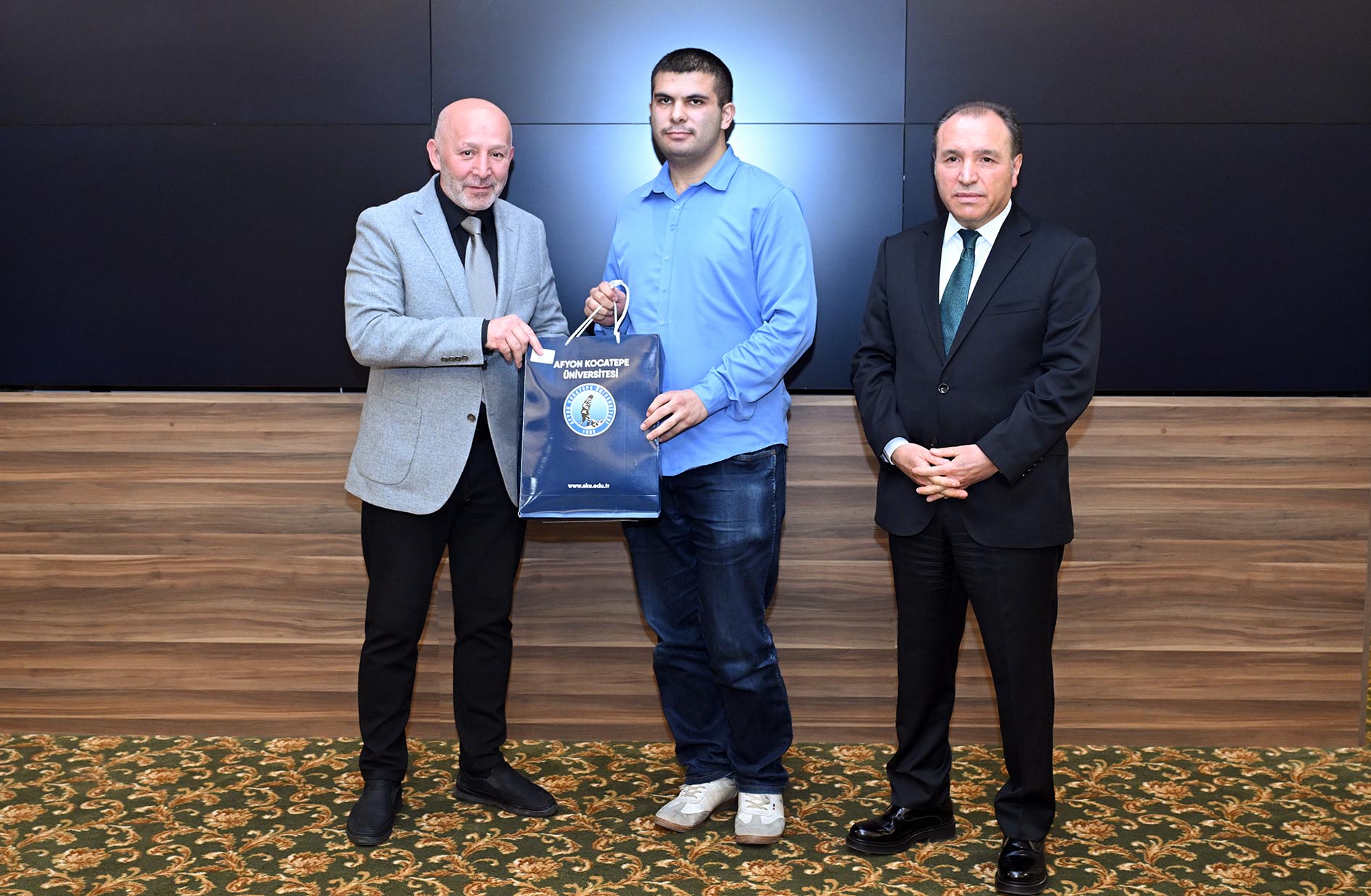
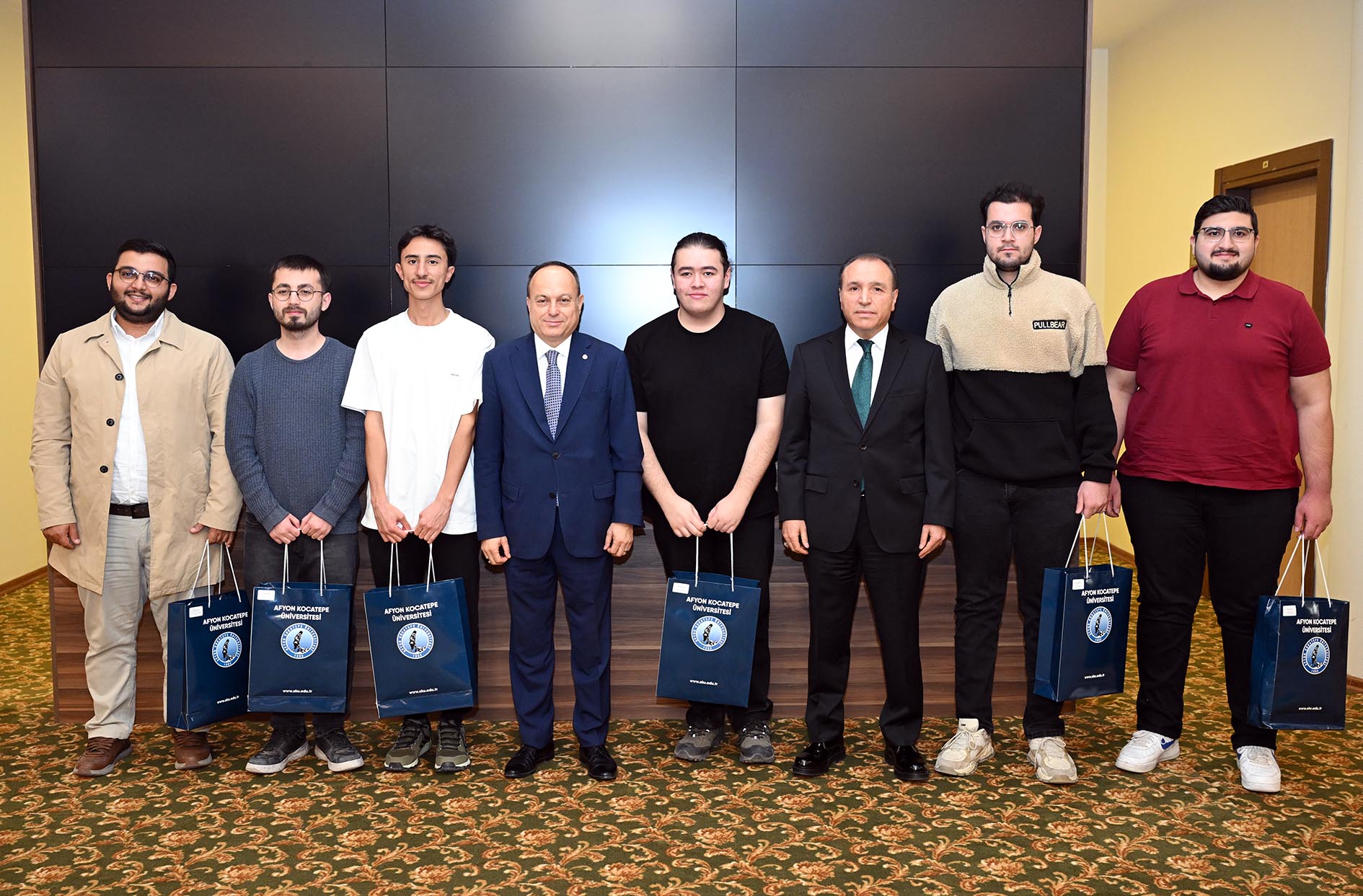
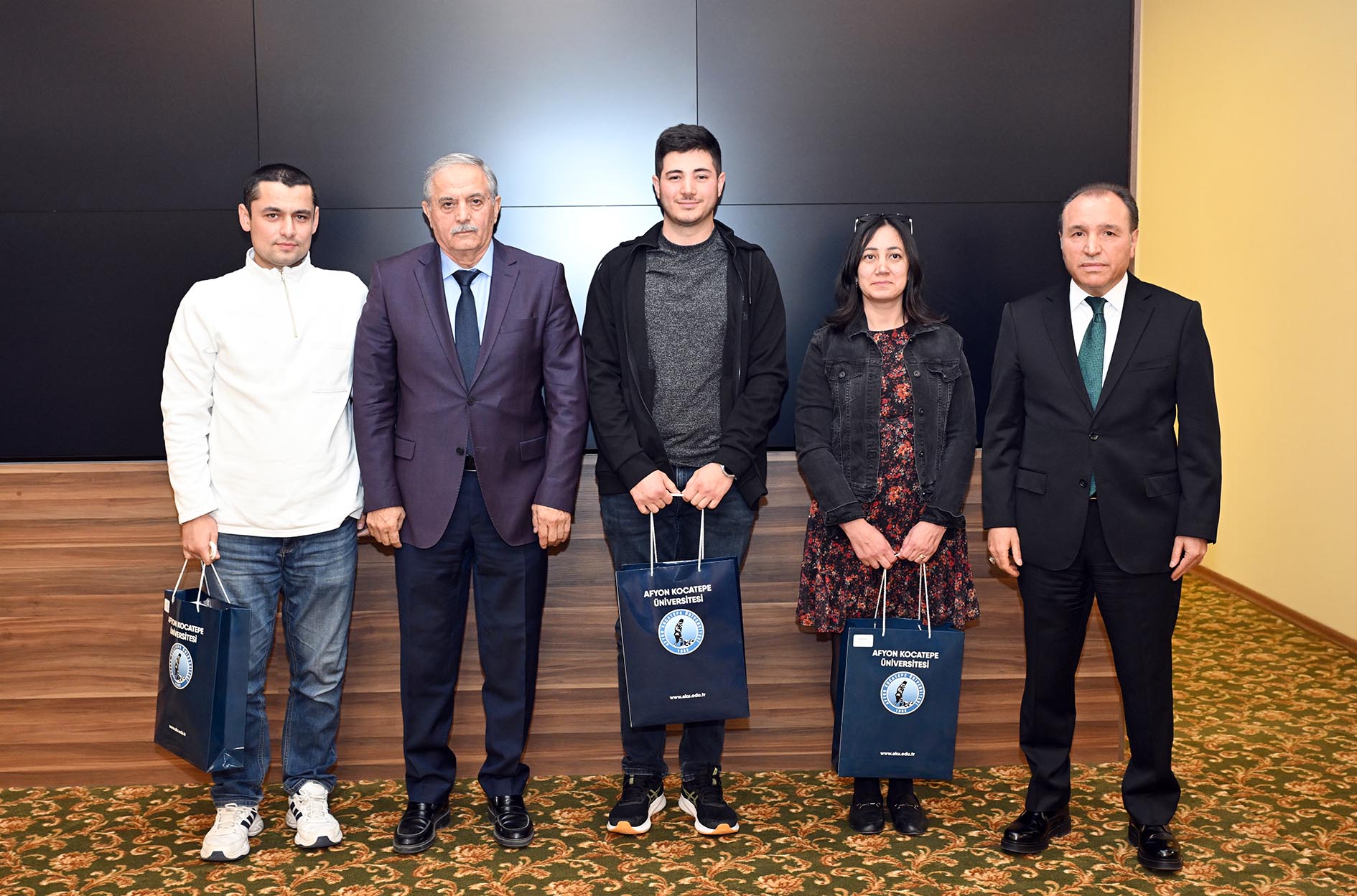
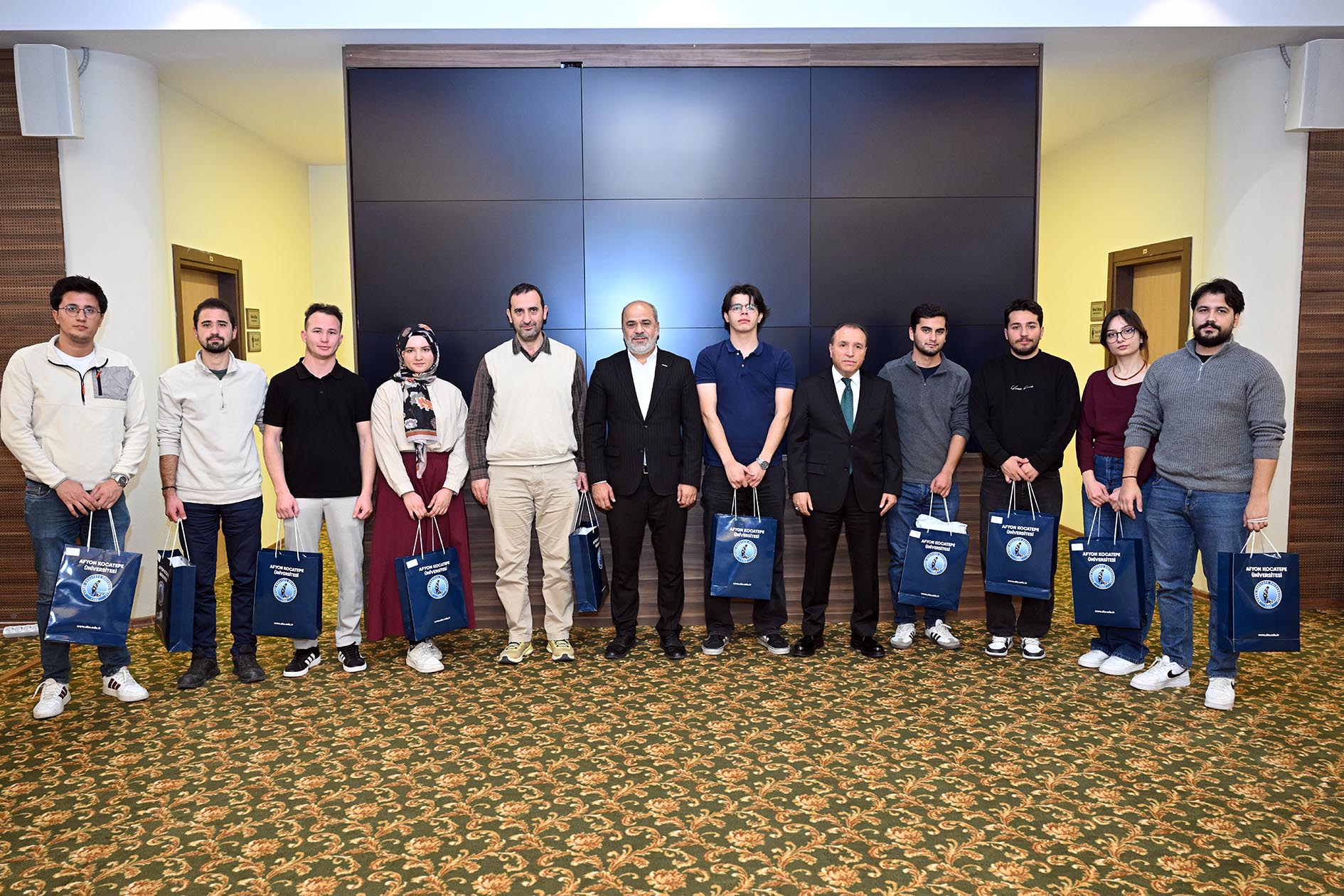
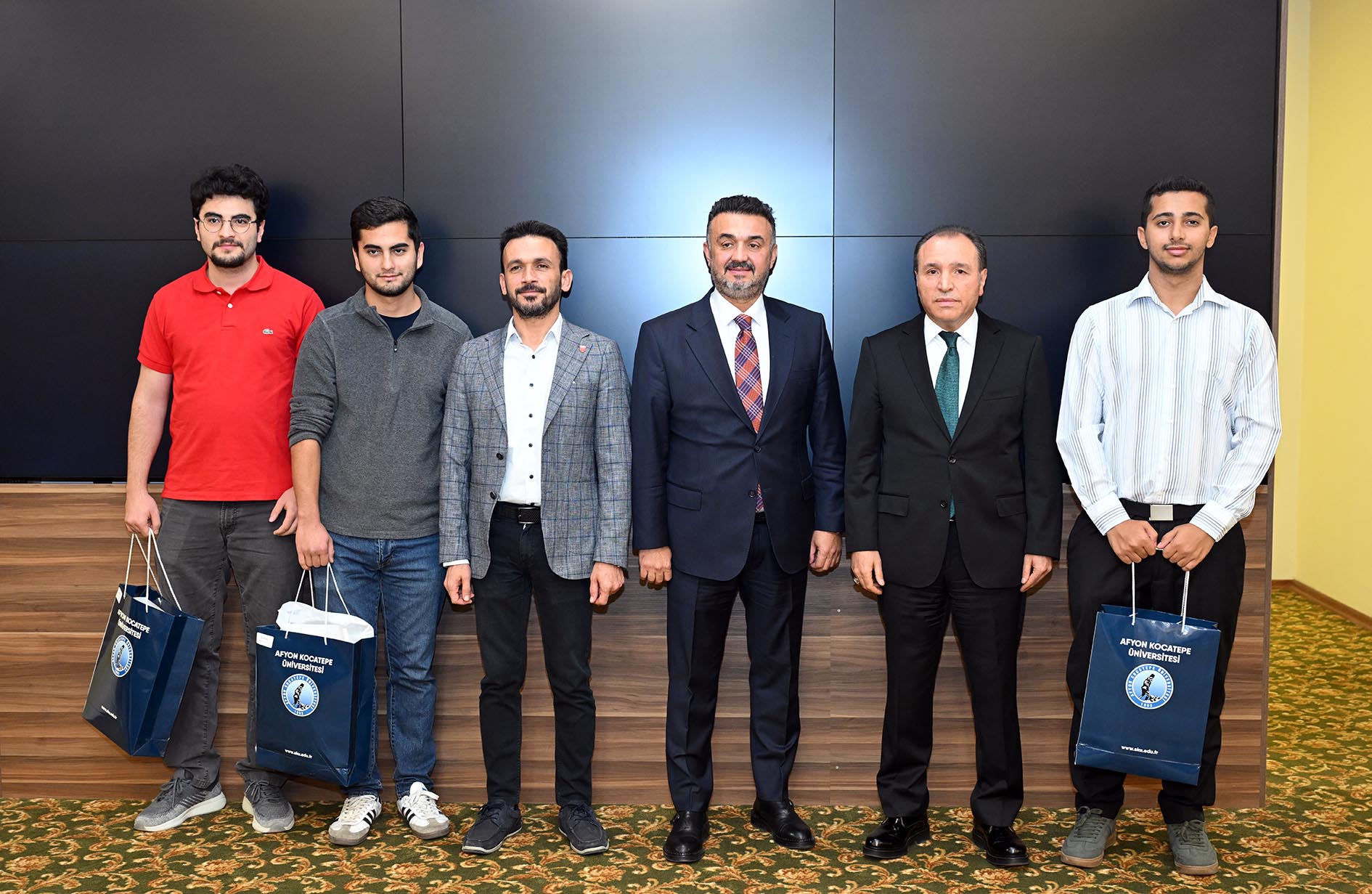
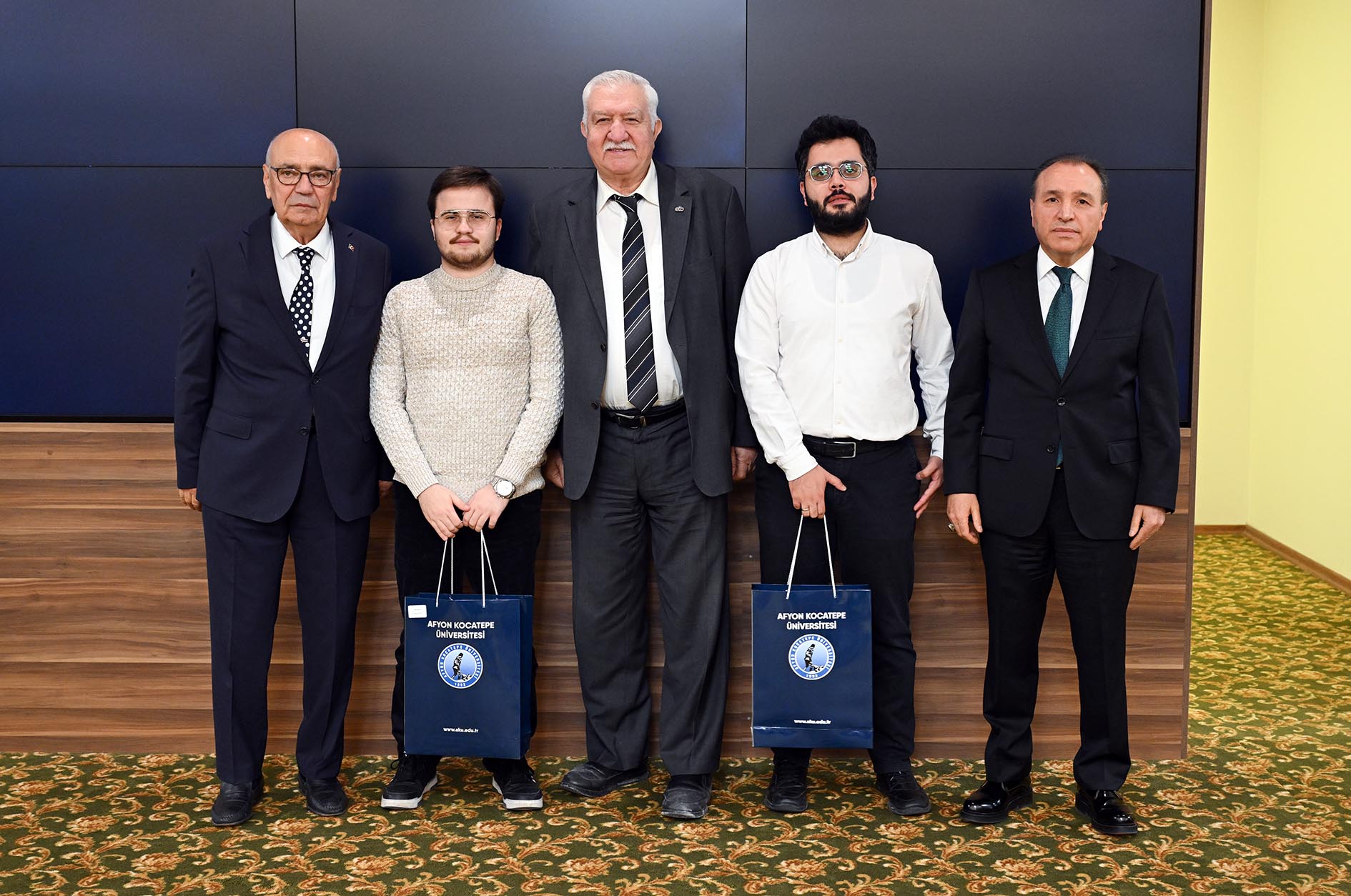
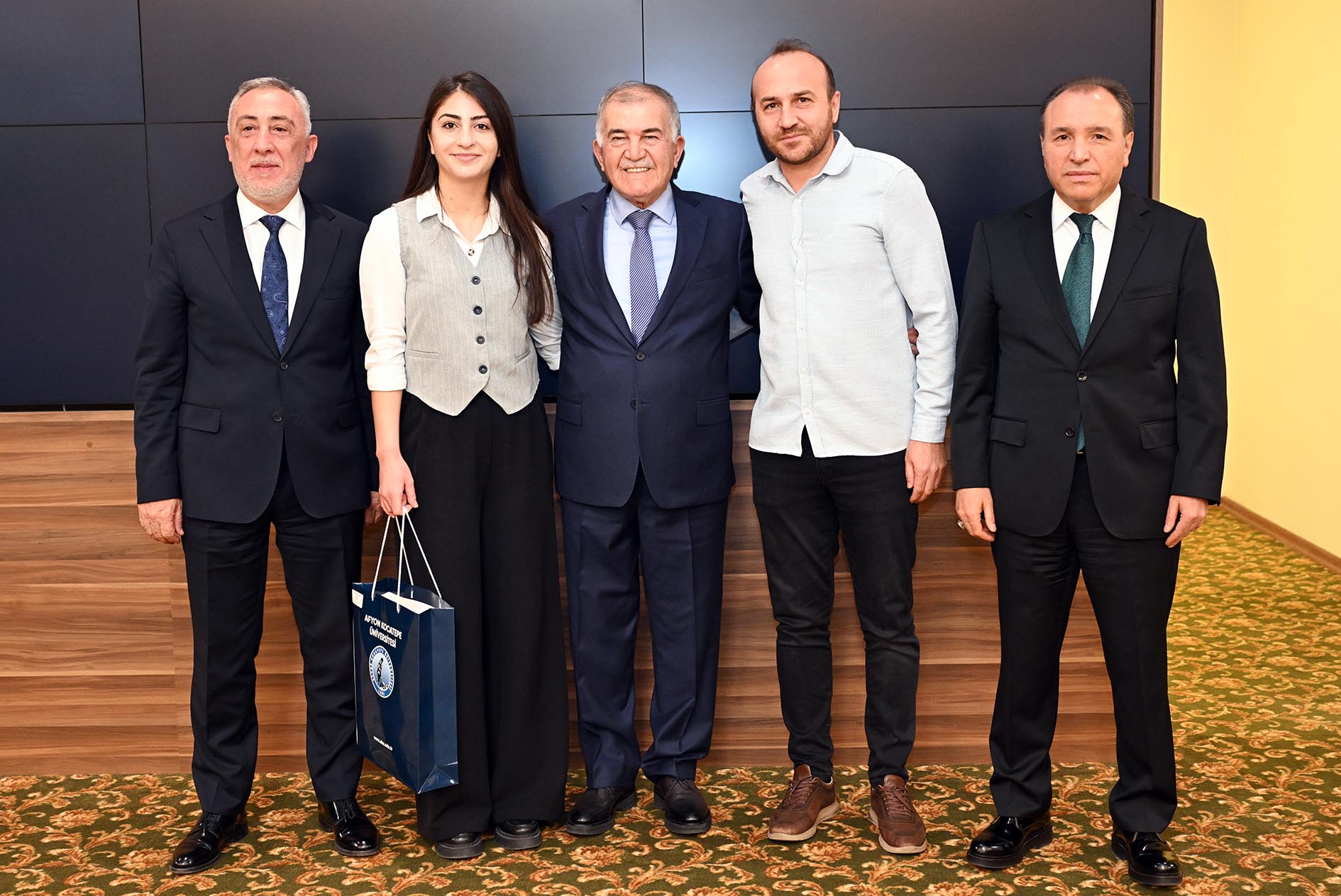
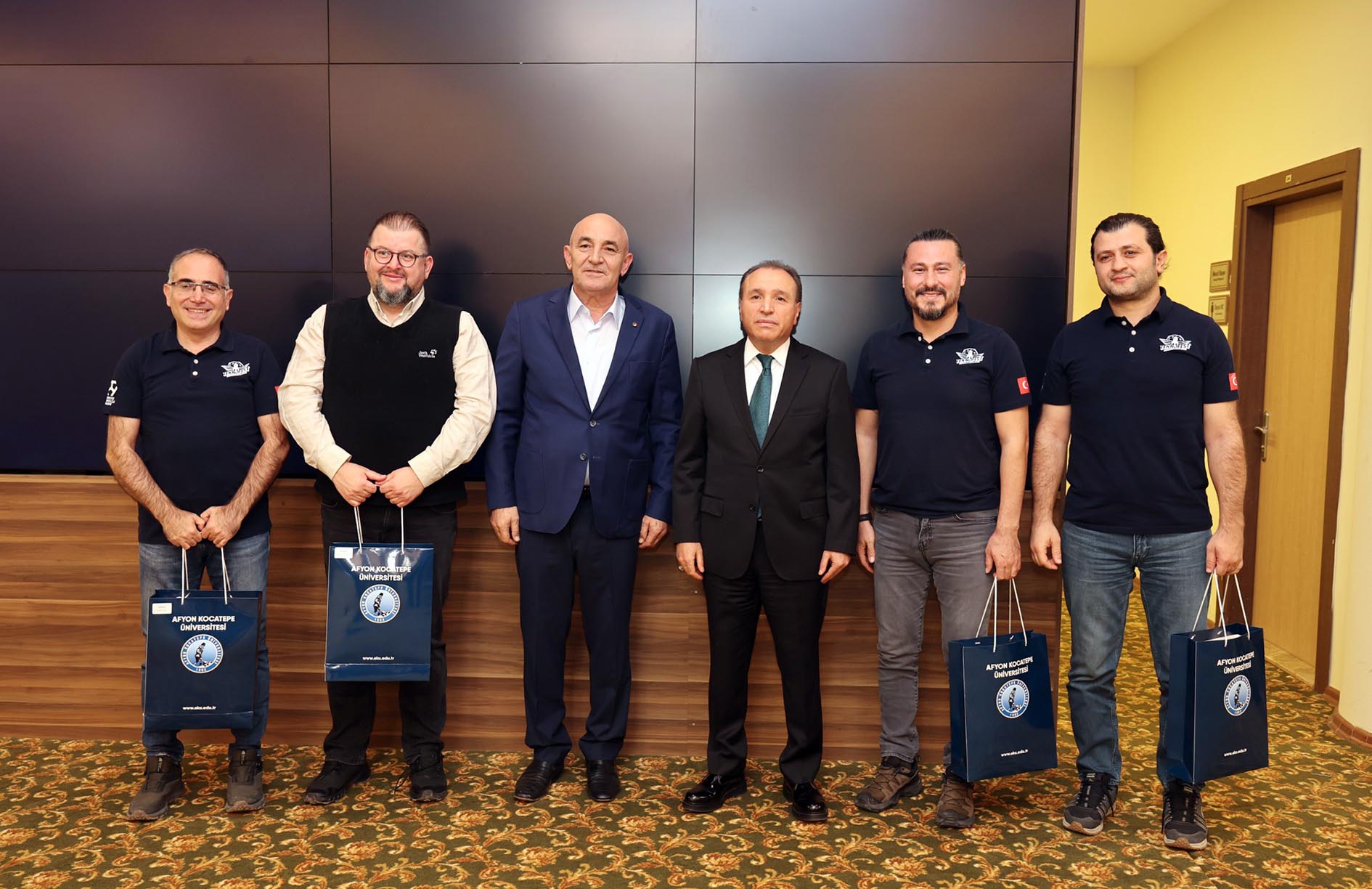
The meeting concluded with the presentation of plaques to the attending student teams who achieved success in TEKNOFEST 2025 competitions.
Rector Karakaş thanked all Advisory Board members, students, and stakeholders for their participation and contributions.
 |
 |
 |
 |
 |
 |
 |
 |
 |
 |
 |
 |
 |
 |
 |
 |
 |
 |
 |
 |
 |
 |
 |